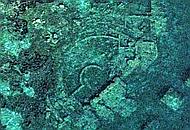
Came across this one las week but couldn’t get it to post for some reason … it details the discovery via satellite imagery, off the shore of Baia, of what seems to be a Roman theatre:
Era il lontano 1956, quando Raimondo Bucher – ufficiale pilota da caccia – scoprì durante una ricognizione aerea, giacere a soli pochi metri dalla linea di costa, un’intera città romana collocata sui fondali del golfo di Pozzuoli. Come ebbe a dire poco dopo, durante un’intervista: «Era da poco passata la guerra, uscivo di pattuglia sul mare partendo dall’aeroporto di Capodichino. Dall’alto, in una giornata caratterizzata dalla straordinaria limpidezza del cielo e del mare, intravidi forme sottomarine simmetriche e regolari. Incuriosito, decisi pertanto di scattare dal cielo alcune fotografie, che ancora oggi restano per la loro limpidezza, testimonianza ineguagliata. Dopo lo sviluppo ebbi la sconcertante sorpresa: dalle stampe apparvero nella loro chiarezza quelle che inequivocabilmente erano mura, strade, e costruzioni di un’antica città sommersa. Erano i resti della antica città romana di Baia».
L’antico teatro: guarda le immagini
OPERA MURARIA – Oggi, a soli poco più di 50 anni di distanza, ritornando a “sorvolare” la zona interessata dai ritrovamenti è stato possibile osservare (grazie all’ausilio di moderni strumenti di telerilevamento satellitare), accanto a quelle antiche strutture d’età imperiale che giacciono in fondo al mare individuate dal Capitano Bucher, resti di un’opera muraria non ancora degnamente esplorata. Rilevati nei fondali della collina del Castello Aragonese, emergono per le loro caratteristiche essenziali, i resti di una particolare struttura dalla forma geometrica a semicerchio, che richiamano la pianta classica di un antico teatro romano d’età imperiale. La struttura, che si trova a pochi metri di profondità, è rivolta in direzione sud-est ed era capace di ospitare fino a 5.000 spettatori. Gli spalti, sfruttando la naturale conformazione del terreno, degradavano dolcemente dalla collina verso il mare. Stilisticamente il manufatto mostra una perfetta ed inalterata forma semicircolare interrotta da una murazione, forse utlizzata come fondale.
SPETTACOLO NELLO SPETTACOLO – Presumibilmente, ricalcando la linea di costa dell’antica «Baiae», offriva alle rappresentazioni del periodo uno scenario unico e inimitabile direttamente sul mare. Più elementi inducono a pensare che si tratti del famoso Teatro di Cesare in quanto la struttura risulta facente parte di un più ampio complesso residenziale definito Villa di Cesare (a conferma di quanto sostiene Tacito secondo il quale la villa di Cesare era posta su di un’altura dominante il golfo di Baia) successivamente inglobato nell’attuale fortezza Aragonese. Un grandiosa villa romana dunque i cui resti e il suo teatro si conservano inalterati ancora nelle profondità del nostro mare.
There is a slideshow of a dozen images of varying relevance at the original page …

 rogueclassicism