
This is one of the reasons I love the summer …. I can happily blog things as they land in my email box. In this case, Martin Conde has alerted us to the fact the the MIBAC has formally presented that statue of Caligula — which was supposed to be an indication of the discovery of his tomb back in January — to the press. The coverage in La Repubblica does have some useful updates: they’ve found all sorts of fragments of things in the area where the tombarolo said the statue came from and what might be a nymphaeum (as opposed to a mausoleum). Perhaps more interestingly, they’ve found the name of the “first owner”, a certain “Julius Gaius Silanus”, which seems to me to be more likely Gaius Julius Silanus, which is interesting given that assorted Julii Silanii are prominent in the late Republic and early Empire.
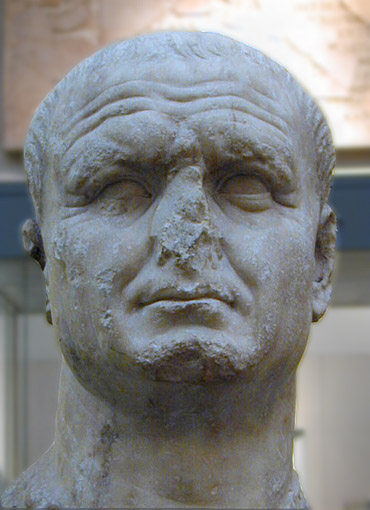
Other than that, the piece does include a tiny, tiny photo of the various bits of the statue. As is often the case, I can’t connect to the MIBAC site myself, but Martin Conde has posted a pile of photos from the presentation and again, questions seem to be raised. I don’t think I had a chance to blog it at the time, but I recall discussing with Francesca Tronchin offline the problem of identifying the statue as Caligula, based solely on the boots (as it seemed at the time; for the record, statues of Jupiter often sport caligae as well — the Repubblica piece now suggests the statue was Caligula-as-Jupiter, for the record). Well now we get some better photos, and until I can embed better ones, I’ll suggest that folks start with this ‘overview’ photo at MC’s flickr page, then look at the one of the head. If that is the head that was with the statue, I have a very difficult time seeing this as a statue of Caligula, although the condition doesn’t help much, identification-wise. If nothing else, it looks to be too small to actually go with this statue. Aside from that, though, this head looks like that of a balding, 50+ years of age man whose eyes seems a bit close together (and it actually reminds me of this bust of Vespasian; or maybe it’s the Julius Silanus mentioned above). In any event, anxiously await to see if I can get more from the MIBAC site or other press coverage … until then, here’s the Repubblica piece:
Quando i tombaroli diventano “ciceroni” e si trasformano in guide provette per una task force formata da Guardia di Finanza e Soprintendenza ai beni archeologi del Lazio per portare a termine una delle scoperte più importanti degli ultimi anni. E’ accaduto con l’Operazione Caligola, al lago di Nemi, territorio storicamente legato all’imperatore romano ucciso nel 41 d. C. a 29 anni, dove fin dagli anni ’60 gli scavi hanno riportato alla luce complessi straordinari come la Villa e il santuario di Diana, e dove il Museo delle Navi custodisce la storia delle due gigantesche strutture galleggianti, andate distrutte durante l’ultimo conflitto.
E’ qui, sul versante nord-occidentale intorno al lago che nell’aprile scorso sono cominciati i sondaggi da parte degli archeologi su segnalazione di due tombaroli che tre anni prima vi avevano condotto una scavo clandestino trafugando un capolavoro della statuaria antica, il colosso riferibile a Caligola assiso in trono e assimilabile a Zeus, ridotta in frammenti. I risultati dell’indagine sono stati illustrati oggi, con una conferenza stampa al ministero per i Beni culturali.
Si tratta di oltre cento frammenti pertinenti la statua (tra la testa, lo scettro retto dalla mano sinistra, il panneggio della spalla sinistra, un frammento rotondo ipotizzabile come il globo retto nella mano destra, le lastre marmoree del piedistallo), altri centocinquanta manufatti a carattere architettonico. Ma soprattutto, la grande rivelazione: un complesso ambiente identificato come un ninfeo, dalla forma planimetrica a ventaglio, delimitato da un colonnato che in origine appariva alto quasi sette metri.
“Abbiamo iniziato i sondaggi nel punto esatto indicato dai tombaroli – racconta Giuseppina Ghini, funzionaria della Soprintendenza responsabile dell’area archeologica – Uno di loro diceva di frequentare la zona per raccogliere legna. All’inizio pensavamo di trovarci di fronte a un mausoleo, in genere statue di questa straordinarietà non si trovano in ninfei, sia privati sia imperiali. Poi la presenza di vasche con pavimentazione a tessere vitree, il vasto sistema idraulico, il rinvenimento di una fistula plumbea con tanto di bollo col nome del primo proprietario, Caio Julio Silano, ci hanno fatto capire che si tratta di un ninfeo”.
L’operazione inizia però il 13 gennaio scorso a Ostia Antica, quando la Finanza ferma un tir che trasportava nascosta sotto calcinacci la statua, diretta a un magazzino dell’Eur da cui sarebbe partita per la Svizzera. Le due persone denunciate, a quel punto, hanno collaborato, indicando l’area di provenienza del reperto. “E’ una scultura unica – racconta la Ghini – perché restituisce un ritratto inedito di Caligola, soggetto alla damnatio memoriae”. Ricomponendo idealmente i pezzi arriva ad un’altezza di oltre 2 metri e mezzo.
Il dettaglio clou riguarda la “caliga” al piede sinistro, il tipico sandalo leggero che amava portare Caligola, da cui il soprannome, come racconta Svetonio. Splendide le decorazioni del trono e l’effetto realistico del cuscino con le frange. Il volto è giovanile, con una sorta di corona sulla testa. La parte posteriore è poco lavorata, segno che si trovava dentro una nicchia del ninfeo. La statua sarà restaurata nei laboratori di Palazzo Massimo, poi restituita al Museo delle Navi a Nemi. Nel frattempo, la speranza è continuare i sondaggi: “Ci servono, per il 2012, almeno 200mila euro”, avverte la soprintendente Marina Sapelli Ragni.
UPDATE (a Campari + IPA later): see now Dorothy King’s thorough post: The Statue of Caligula from Lake Nemi
UPDATE II (a few minutes after that): we’re now starting to get English coverage:

 rogueclassicism
Update: Caligula Tomb/Statue Redux (July12th, 2011).
Thank you for posting this brief report on the update in regards to the “Caligula Tomb/Statue, etc,” After I posted the inital photographs from the MIBAC conference in Rome, and the later photographs from the La Repubblica (July12th, 2011), I discovered another series of images of the “Caligula Tomb/Statue,” by the Corriere Della Dera. In light of your comments below about the head of the statue, the first images from the La Repubblica, =
“…Well now we get some better photos, and until I can embed better ones, I’ll suggest that folks start with this ‘overview’ photo at MC’s flickr page, then look at the one of the head. If that is the head that was with the statue, I have a very difficult time seeing this as a statue of Caligula, although the condition doesn’t help much, identification-wise. If nothing else, it looks to be too small to actually go with this statue.”
The original La Repubblica image is a screen shot from a video?, while the later images from the Corriere Della Sera on the fragments of the Statue, particularily the head of the statue is of a higher quality and color image, please see:
Thank you
Martin G. Conde
Washington DC, USA
July 12th, 2011.
ARCHEOLOGIA: Roma, Lago di Nemi – Caligola, ritrovata la statua colossale. MIBAC Roma; La Repubblica; Corriere Della Sera (12/07/2011); Patrimonio Archeologico della Guardia di Finanza: (31/01/2011); Treasures Recovered from Lake Nemi Believed Secretly Sold to Metropolitan Museum of Art. Washington Post.: Dec 8, 1907.
http://www.flickr.com/photos/imperial_fora_of_rome/sets/72157627054554301/with/5432176968/
thanks … still doesn’t look Caligulaish to me …
This is what happens when people jump the gun about a excavation they should have waited till they knew more about who was buried in this tomb.